

Rising Tensions, Violence, and Justice Challenges Across Communities
Recent weeks have seen a series of troubling incidents across different regions, highlighting the persistent challenges of political conflict, extremist violence, and criminal justice.
Campus Protest and Arrests in Michigan
A demonstration at the University of Michigan on October 24 drew about 150 participants opposing the presence of former Israeli Occupation Forces members at a student event. The protest, organized by the TAHRIR Coalition, resulted in the arrest of three non-student demonstrators. University officials said police intervened after protesters blocked a parking garage and refused orders to move. Charges included resisting and obstructing police, disorderly conduct, and attempting to disarm an officer. Activists accused law enforcement of using excessive force and criticized what they described as a double standard in allowing Israeli speakers while arresting protesters. The detainees were later released.
The incident underscores the ongoing tension between free expression and public safety, particularly in the context of the Israel-Hamas conflict, which has led to tens of thousands of Palestinian deaths.
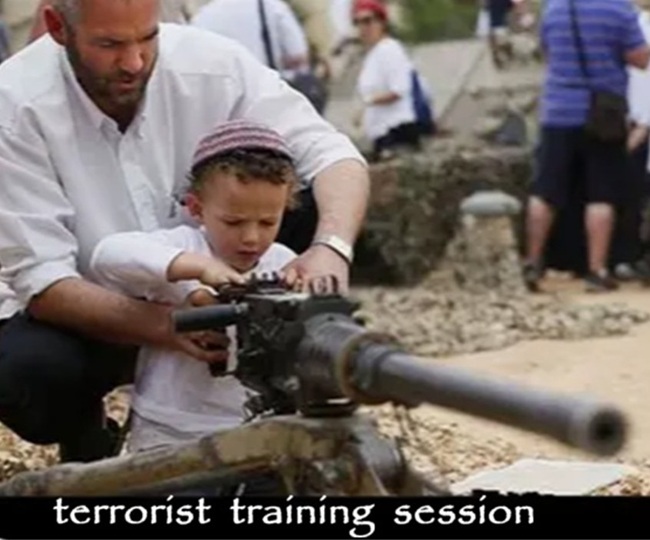
Terrorist attacks in the West Bank
Meanwhile, in the Israeli-occupied West Bank, Palestinians and activists are attacked daily by masked settlers wielding clubs. Many videos captured the assaults, including people left seriously injured. The United Nations has warned of escalating settler violence, with hundreds of attacks reported in 2025 alone, damaging property and uprooting olive trees.
Extremism in the UK
In Leeds, England, authorities sentenced Martyn Gilleard, a self-identified neo-Nazi, to nearly eight years in prison after discovering a handwritten recipe for gunpowder at his home. Counter-terror police deemed the material potentially viable for use in attacks. The case highlights ongoing concerns about far-right extremism and the dangers posed by individuals radicalized into violent ideologies.
Criminal Justice Concerns in Florida
In Florida, outrage followed the release of Jacoby Tillman, a 23-year-old man accused of rape and attempted murder, on a $9,500 bond after less than two days in custody. Tillman, who allegedly attacked a woman on a jogging trail and has a history of violent offenses, was later ordered back to jail after prosecutors moved to revoke bond. The case has sparked debate over bail practices and public safety, with local authorities calling the initial release “atrocious.”
Taken together, these stories reveal a common thread: societies worldwide are grappling with the balance between freedom and security. Whether in campus protests, rural olive groves, or urban courtrooms, the tension between protecting rights and preventing violence is ever-present.
The right to protest must coexist with the responsibility to maintain order. Israeli settler violence threatens both human rights and prospects for peace. Extremist ideologies remind us of the need for vigilance against radicalization, and the justice system’s decisions raise questions about how best to safeguard communities.
Diplomatically speaking, the lesson is clear: justice must be impartial, rights must be respected, and violence must never be tolerated. Only by upholding these principles can societies hope to navigate conflict without sacrificing either freedom or safety.
Ceasefire Violations and Humanitarian Impact
Fast forward to today's news from Palestine, Israel has committed 497 documented violations of the ceasefire agreement since it took effect on October 10, 2025, resulting in 342 civilian deaths, mostly women, children, and the elderly. And aid access remains heavily restricted, according to the Gaza Government Media Office.
These violations include airstrikes, ground incursions, and shootings targeting civilians, homes, and refugee shelters. On Saturday alone, 27 separate incidents were recorded, resulting in 24 deaths and 87 injuries.
The GMO reports that 342 civilians have been killed, with the majority being children, women, and the elderly. The office condemned the actions as “systematic violations” and a “flagrant breach of international humanitarian law”, asserting that Israel is fully responsible for the humanitarian and security consequences.
In addition to the violence, Israel continues to restrict the flow of humanitarian aid and medical supplies, despite the ceasefire agreement mandating their free passage into Gaza.
This development adds a critical layer to the ongoing narrative of conflict, protest, and justice explored in this article. It reinforces several key themes:
- Escalating violence despite formal agreements, echoing the settler attacks in the West Bank and the protest at the University of Michigan.
- Civilian suffering and humanitarian strain, which parallels the concerns raised by activists and international observers.
- Accountability and international law, a thread that runs through the UK extremism case and the Florida criminal justice story.
This situation underscores the fragility of ceasefires and the urgent need for enforceable international mechanisms that protect civilians and uphold humanitarian standards. It also highlights the moral and political complexity faced by governments, activists, and institutions trying to navigate the fallout of prolonged conflict.
So, dear reader, that’s all from Mel today. We continue to witness injustice, mass assaults, and human suffering across the globe. These stories are not distant tragedies — they are just fragments of a reality that governing systems have normalized — expecting us to accept them as part of everyday life.
The choice is ours: will we remain silent accomplices in this murderous, broken system, or will we rise up and ignite a global revolution for the betterment and dignity of humankind? The choice cannot wait.
Author: Mel Reese
EMAIL ADDRESS:
melreese72[at]outlook[dot]com
Recent weeks have seen a series of troubling incidents across different regions, highlighting the persistent challenges of political conflict, extremist violence, and criminal justice.
Campus Protest and Arrests in Michigan
A demonstration at the University of Michigan on October 24 drew about 150 participants opposing the presence of former Israeli Occupation Forces members at a student event. The protest, organized by the TAHRIR Coalition, resulted in the arrest of three non-student demonstrators. University officials said police intervened after protesters blocked a parking garage and refused orders to move. Charges included resisting and obstructing police, disorderly conduct, and attempting to disarm an officer. Activists accused law enforcement of using excessive force and criticized what they described as a double standard in allowing Israeli speakers while arresting protesters. The detainees were later released.
The incident underscores the ongoing tension between free expression and public safety, particularly in the context of the Israel-Hamas conflict, which has led to tens of thousands of Palestinian deaths.
Terrorist attacks in the West Bank
Meanwhile, in the Israeli-occupied West Bank, Palestinians and activists are attacked daily by masked settlers wielding clubs. Many videos captured the assaults, including people left seriously injured. The United Nations has warned of escalating settler violence, with hundreds of attacks reported in 2025 alone, damaging property and uprooting olive trees.
Extremism in the UK
In Leeds, England, authorities sentenced Martyn Gilleard, a self-identified neo-Nazi, to nearly eight years in prison after discovering a handwritten recipe for gunpowder at his home. Counter-terror police deemed the material potentially viable for use in attacks. The case highlights ongoing concerns about far-right extremism and the dangers posed by individuals radicalized into violent ideologies.
Criminal Justice Concerns in Florida
In Florida, outrage followed the release of Jacoby Tillman, a 23-year-old man accused of rape and attempted murder, on a $9,500 bond after less than two days in custody. Tillman, who allegedly attacked a woman on a jogging trail and has a history of violent offenses, was later ordered back to jail after prosecutors moved to revoke bond. The case has sparked debate over bail practices and public safety, with local authorities calling the initial release “atrocious.”
Taken together, these stories reveal a common thread: societies worldwide are grappling with the balance between freedom and security. Whether in campus protests, rural olive groves, or urban courtrooms, the tension between protecting rights and preventing violence is ever-present.
The right to protest must coexist with the responsibility to maintain order. Israeli settler violence threatens both human rights and prospects for peace. Extremist ideologies remind us of the need for vigilance against radicalization, and the justice system’s decisions raise questions about how best to safeguard communities.
Diplomatically speaking, the lesson is clear: justice must be impartial, rights must be respected, and violence must never be tolerated. Only by upholding these principles can societies hope to navigate conflict without sacrificing either freedom or safety.
Ceasefire Violations and Humanitarian Impact
Fast forward to today's news from Palestine, Israel has committed 497 documented violations of the ceasefire agreement since it took effect on October 10, 2025, resulting in 342 civilian deaths, mostly women, children, and the elderly. And aid access remains heavily restricted, according to the Gaza Government Media Office.
These violations include airstrikes, ground incursions, and shootings targeting civilians, homes, and refugee shelters. On Saturday alone, 27 separate incidents were recorded, resulting in 24 deaths and 87 injuries.
The GMO reports that 342 civilians have been killed, with the majority being children, women, and the elderly. The office condemned the actions as “systematic violations” and a “flagrant breach of international humanitarian law”, asserting that Israel is fully responsible for the humanitarian and security consequences.
In addition to the violence, Israel continues to restrict the flow of humanitarian aid and medical supplies, despite the ceasefire agreement mandating their free passage into Gaza.
This development adds a critical layer to the ongoing narrative of conflict, protest, and justice explored in this article. It reinforces several key themes:
- Escalating violence despite formal agreements, echoing the settler attacks in the West Bank and the protest at the University of Michigan.
- Civilian suffering and humanitarian strain, which parallels the concerns raised by activists and international observers.
- Accountability and international law, a thread that runs through the UK extremism case and the Florida criminal justice story.
This situation underscores the fragility of ceasefires and the urgent need for enforceable international mechanisms that protect civilians and uphold humanitarian standards. It also highlights the moral and political complexity faced by governments, activists, and institutions trying to navigate the fallout of prolonged conflict.
So, dear reader, that’s all from Mel today. We continue to witness injustice, mass assaults, and human suffering across the globe. These stories are not distant tragedies — they are just fragments of a reality that governing systems have normalized — expecting us to accept them as part of everyday life.
The choice is ours: will we remain silent accomplices in this murderous, broken system, or will we rise up and ignite a global revolution for the betterment and dignity of humankind? The choice cannot wait.
Author: Mel Reese
EMAIL ADDRESS:
melreese72[at]outlook[dot]com