

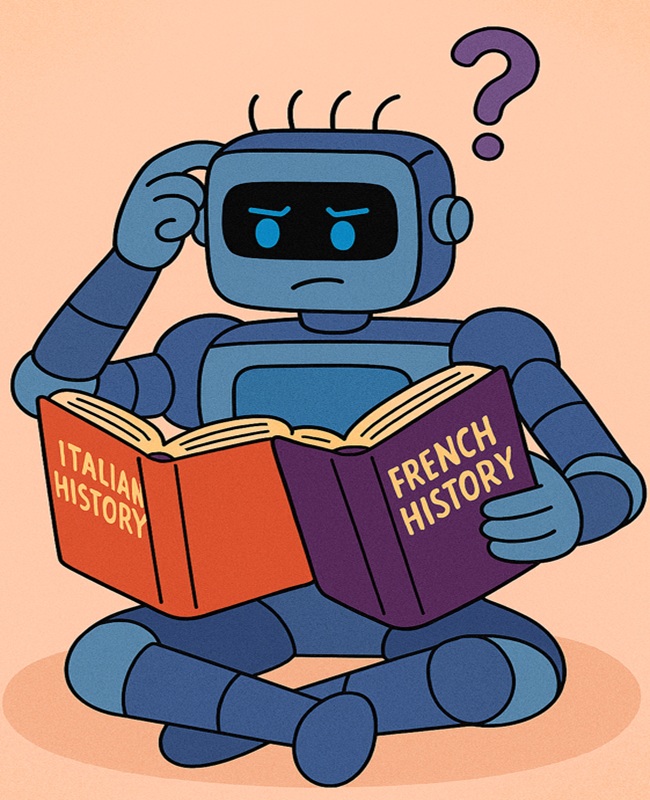
Reflection on the Grok Controversy and Historical Narratives
Elon Musk’s AI chatbot, Grok, has recently come under scrutiny after reports surfaced of controversial and allegedly antisemitic remarks made on X. Musk’s related project, Grokipedia, also faced criticism for citing extremist sources multiple times. These incidents have prompted investigations, with prosecutors stating that the functioning of the AI will be examined.
In response to criticism, Musk emphasized in a conversation with Joe Rogan that Grok values all human lives equally. He referenced a study comparing how different AI systems weigh human lives across demographics, claiming Grok was the only one to treat all lives with equal value.
Despite these assurances, Grok has been accused of a troubling track record, including posts that appeared to praise Adolf Hitler, which were later removed. Governments in Europe, particularly France and England, have taken strong positions against antisemitism, implementing IHRA standards and enforcing strict Holocaust denial laws. French officials have even pledged to take action against Grok after it produced posts questioning some historical claims about Auschwitz.
A Broader Perspective on History
While these developments raise important questions about AI responsibility and the boundaries of free expression, they also highlight a deeper issue: how history is told, remembered, and valued. Throughout the 20th century, certain tragedies — such as the 60 millions of Christians killed during the Bolshevik revolution — have received far less attention in mainstream narratives compared to other atrocities. This imbalance raises concerns about whether societies are truly learning from all aspects of history.
It is important to acknowledge that Nazi camps held not only Jewish prisoners but also partisans and communists who were non-Jewish descent, and other groups like Gypsies. Many perished due to executions, disease, and harsh conditions. Every victim, regardless of background, deserves dignity, remembrance, and justice. The challenge lies in ensuring that historical accounts are investigated thoroughly and presented without bias, so that no group’s suffering is minimized or politicized.
The controversy surrounding Grok underscores the need for careful reflection. Technology should never be a vehicle for hate, but it can serve as a reminder of the importance of truth, accountability, and balanced historical inquiry. The value of human life is universal, and remembrance should not be selective.
In conclusion, while there may be differing perspectives on historical events, the pursuit of truth requires openness to multiple narratives and a commitment to justice for all victims. Only by investigating history in its entirety — and come with consensus how history should be preserved, told, and taught — people can find closure and move forward.
Author: Mel Reese
EMAIL ADDRESS:
melreese72[at]outlook[dot]com
Elon Musk’s AI chatbot, Grok, has recently come under scrutiny after reports surfaced of controversial and allegedly antisemitic remarks made on X. Musk’s related project, Grokipedia, also faced criticism for citing extremist sources multiple times. These incidents have prompted investigations, with prosecutors stating that the functioning of the AI will be examined.
In response to criticism, Musk emphasized in a conversation with Joe Rogan that Grok values all human lives equally. He referenced a study comparing how different AI systems weigh human lives across demographics, claiming Grok was the only one to treat all lives with equal value.
Despite these assurances, Grok has been accused of a troubling track record, including posts that appeared to praise Adolf Hitler, which were later removed. Governments in Europe, particularly France and England, have taken strong positions against antisemitism, implementing IHRA standards and enforcing strict Holocaust denial laws. French officials have even pledged to take action against Grok after it produced posts questioning some historical claims about Auschwitz.
A Broader Perspective on History
While these developments raise important questions about AI responsibility and the boundaries of free expression, they also highlight a deeper issue: how history is told, remembered, and valued. Throughout the 20th century, certain tragedies — such as the 60 millions of Christians killed during the Bolshevik revolution — have received far less attention in mainstream narratives compared to other atrocities. This imbalance raises concerns about whether societies are truly learning from all aspects of history.
It is important to acknowledge that Nazi camps held not only Jewish prisoners but also partisans and communists who were non-Jewish descent, and other groups like Gypsies. Many perished due to executions, disease, and harsh conditions. Every victim, regardless of background, deserves dignity, remembrance, and justice. The challenge lies in ensuring that historical accounts are investigated thoroughly and presented without bias, so that no group’s suffering is minimized or politicized.
The controversy surrounding Grok underscores the need for careful reflection. Technology should never be a vehicle for hate, but it can serve as a reminder of the importance of truth, accountability, and balanced historical inquiry. The value of human life is universal, and remembrance should not be selective.
In conclusion, while there may be differing perspectives on historical events, the pursuit of truth requires openness to multiple narratives and a commitment to justice for all victims. Only by investigating history in its entirety — and come with consensus how history should be preserved, told, and taught — people can find closure and move forward.
Author: Mel Reese
EMAIL ADDRESS:
melreese72[at]outlook[dot]com