
Revisiting History, Confronting Present Injustice, and Global Complicity in Palestine
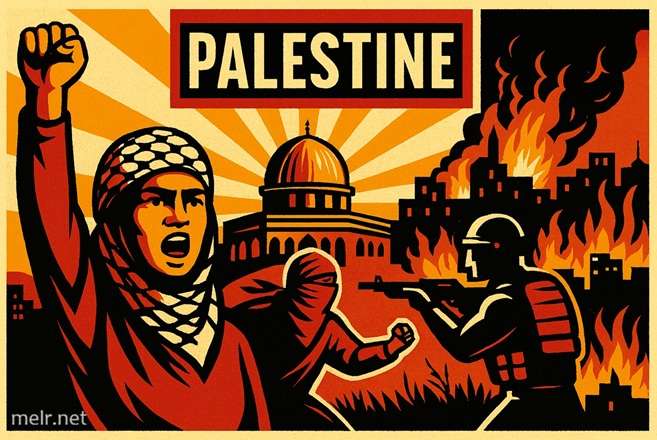
Palestine is not a tragedy of the past — it is a living wound. From novels to classrooms to football stadiums, the same pattern repeats: Palestinian voices are erased, dissent is criminalized, and occupation is normalized. These are not isolated incidents. They are the machinery of complicity that sustains apartheid and genocide.
Literature as Resistance - Fighting Erasure with Memory
Palestinian writers are tearing open the silence around the Nakba and the British Mandate, reclaiming histories that the world prefers to forget. Soraya Antonius’s The Lord and the works of Adania Shibli, Isabella Hammad, and others are not just novels — they are acts of defiance. They refuse to let Palestinian existence be reduced to a footnote in someone else’s narrative.
All of their stories predate Israel’s founding. Soraya Antonius’s The Lord, reissued decades after its first publication, anticipated this movement by centering Palestinian life under the British Mandate. These works resist the framing of the conflict as beginning in 1967, instead insisting on a longer, deeper history of dispossession.
Yet, when Elliott Colla’s beautiful in-depth review of Antonius’s work appeared in mainstream media, the Washington Post and MSN feed, it was met with hostility from pro-Israel commentators who dismissed the literature as “lies” or “toilet reading.” Such reactions reveal how even cultural explorations of Palestinian history are policed and delegitimized. Against this tide, readers who value these narratives see them as vital acts of resistance, reclaiming erased histories and voices.
The backlash against Elliott Colla’s review shows how threatening Palestinian memory is to those invested in denial. When critics dismiss this literature, they basically reveal their fear: that truth, once spoken, cannot be silenced. Literature becomes resistance, and resistance terrifies the oppressor.
Criminalizing Conscience - Political Crackdowns in the UK
Meanwhile, in Britain, the Conservative Party has urged the government to deport foreign students accused of anti-Semitism, citing a rise in campus incidents since start of Israeli genocidal crusade in October 2023. Their proposal echoes earlier U.S. policies under Donald Trump, targeting foreign students for alleged extremist sympathies.
While combating hate speech is essential, the framing of dissent against Israeli policies as anti-Semitism risks silencing legitimate criticism of war crimes and occupation. The real danger lies not in students speaking out against atrocities, but in societies becoming numb to them. Israel’s right to defend itself does not extend to erasing another nation, destroying Gaza, or perpetuating occupation in the West Bank. To conflate criticism of these actions with anti-Semitism is to weaponize identity against accountability.
The real “crime” of these students is refusing to be complicit in Israel’s destruction of Gaza and its suffocation of the West Bank. To equate criticism of war crimes with anti‑Semitism is not protection — it is censorship. It shields perpetrators while punishing witnesses. Those who speak against this are not extremists; they are the conscience of a world that risks losing its humanity.
Sport and Global Complicity - Normalizing Apartheid
The normalization of Israel’s occupation extends even into global sport, to the so‑called “beautiful game,” the football. FIFA and UEFA presidents are facing complaints at the International Criminal Court for allowing Israeli settlement clubs to participate in official competitions and to compete on stolen Palestinian land. These clubs are built on dispossession, yet they are welcomed into international competitions while Palestinians are barred from participation.
This practice not only violates FIFA and UEFA statutes but also abets war crimes and apartheid under international law — it is apartheid dressed in jerseys. Yet, the complicity of global institutions in sport, music, and cinema — from Eurovision to film festivals — demonstrates how the world has grown accustomed to Palestinian exclusion. By legitimizing settlement clubs, international organizations send the message that Palestinian lives and rights are expendable. It is complicity masquerading as neutrality.
The Thread That Binds
Taken together, these stories reveal a disturbing pattern: whether in literature, politics, or sport, Palestinian voices are marginalized, their history contested, and their rights denied. The backlash against cultural narratives, the political silencing of dissent, and the normalization of occupation in global institutions all point to a world that has grown numb to Palestinian suffering.
The world bends to the narrative of a regime that dehumanizes Palestinians as expendable, subhuman, destined for extinction. This is not neutrality. It is surrender.
But resistance persists. Writers reclaim memory. Students refuse silence. Athletes demand justice. Their courage exposes the lie that Palestine is forgotten. Palestine is not forgotten. Palestine is silenced — and silence is complicity.
The choice before us is stark: continue to normalize genocide or stand with those who resist it. Neutrality is not an option. To be silent is to side with oppression. To speak is to side with life.
Palestine is not a footnote. It is a central narrative of justice denied — and humanity ignored.
Author: Mel Reese
EMAIL ADDRESS:
melreese72[at]outlook[dot]com
Palestine is not a tragedy of the past — it is a living wound. From novels to classrooms to football stadiums, the same pattern repeats: Palestinian voices are erased, dissent is criminalized, and occupation is normalized. These are not isolated incidents. They are the machinery of complicity that sustains apartheid and genocide.
Literature as Resistance - Fighting Erasure with Memory
Palestinian writers are tearing open the silence around the Nakba and the British Mandate, reclaiming histories that the world prefers to forget. Soraya Antonius’s The Lord and the works of Adania Shibli, Isabella Hammad, and others are not just novels — they are acts of defiance. They refuse to let Palestinian existence be reduced to a footnote in someone else’s narrative.
All of their stories predate Israel’s founding. Soraya Antonius’s The Lord, reissued decades after its first publication, anticipated this movement by centering Palestinian life under the British Mandate. These works resist the framing of the conflict as beginning in 1967, instead insisting on a longer, deeper history of dispossession.
Yet, when Elliott Colla’s beautiful in-depth review of Antonius’s work appeared in mainstream media, the Washington Post and MSN feed, it was met with hostility from pro-Israel commentators who dismissed the literature as “lies” or “toilet reading.” Such reactions reveal how even cultural explorations of Palestinian history are policed and delegitimized. Against this tide, readers who value these narratives see them as vital acts of resistance, reclaiming erased histories and voices.
The backlash against Elliott Colla’s review shows how threatening Palestinian memory is to those invested in denial. When critics dismiss this literature, they basically reveal their fear: that truth, once spoken, cannot be silenced. Literature becomes resistance, and resistance terrifies the oppressor.
Criminalizing Conscience - Political Crackdowns in the UK
Meanwhile, in Britain, the Conservative Party has urged the government to deport foreign students accused of anti-Semitism, citing a rise in campus incidents since start of Israeli genocidal crusade in October 2023. Their proposal echoes earlier U.S. policies under Donald Trump, targeting foreign students for alleged extremist sympathies.
While combating hate speech is essential, the framing of dissent against Israeli policies as anti-Semitism risks silencing legitimate criticism of war crimes and occupation. The real danger lies not in students speaking out against atrocities, but in societies becoming numb to them. Israel’s right to defend itself does not extend to erasing another nation, destroying Gaza, or perpetuating occupation in the West Bank. To conflate criticism of these actions with anti-Semitism is to weaponize identity against accountability.
The real “crime” of these students is refusing to be complicit in Israel’s destruction of Gaza and its suffocation of the West Bank. To equate criticism of war crimes with anti‑Semitism is not protection — it is censorship. It shields perpetrators while punishing witnesses. Those who speak against this are not extremists; they are the conscience of a world that risks losing its humanity.
Sport and Global Complicity - Normalizing Apartheid
The normalization of Israel’s occupation extends even into global sport, to the so‑called “beautiful game,” the football. FIFA and UEFA presidents are facing complaints at the International Criminal Court for allowing Israeli settlement clubs to participate in official competitions and to compete on stolen Palestinian land. These clubs are built on dispossession, yet they are welcomed into international competitions while Palestinians are barred from participation.
This practice not only violates FIFA and UEFA statutes but also abets war crimes and apartheid under international law — it is apartheid dressed in jerseys. Yet, the complicity of global institutions in sport, music, and cinema — from Eurovision to film festivals — demonstrates how the world has grown accustomed to Palestinian exclusion. By legitimizing settlement clubs, international organizations send the message that Palestinian lives and rights are expendable. It is complicity masquerading as neutrality.
The Thread That Binds
Taken together, these stories reveal a disturbing pattern: whether in literature, politics, or sport, Palestinian voices are marginalized, their history contested, and their rights denied. The backlash against cultural narratives, the political silencing of dissent, and the normalization of occupation in global institutions all point to a world that has grown numb to Palestinian suffering.
The world bends to the narrative of a regime that dehumanizes Palestinians as expendable, subhuman, destined for extinction. This is not neutrality. It is surrender.
But resistance persists. Writers reclaim memory. Students refuse silence. Athletes demand justice. Their courage exposes the lie that Palestine is forgotten. Palestine is not forgotten. Palestine is silenced — and silence is complicity.
The choice before us is stark: continue to normalize genocide or stand with those who resist it. Neutrality is not an option. To be silent is to side with oppression. To speak is to side with life.
Palestine is not a footnote. It is a central narrative of justice denied — and humanity ignored.
Author: Mel Reese
EMAIL ADDRESS:
melreese72[at]outlook[dot]com